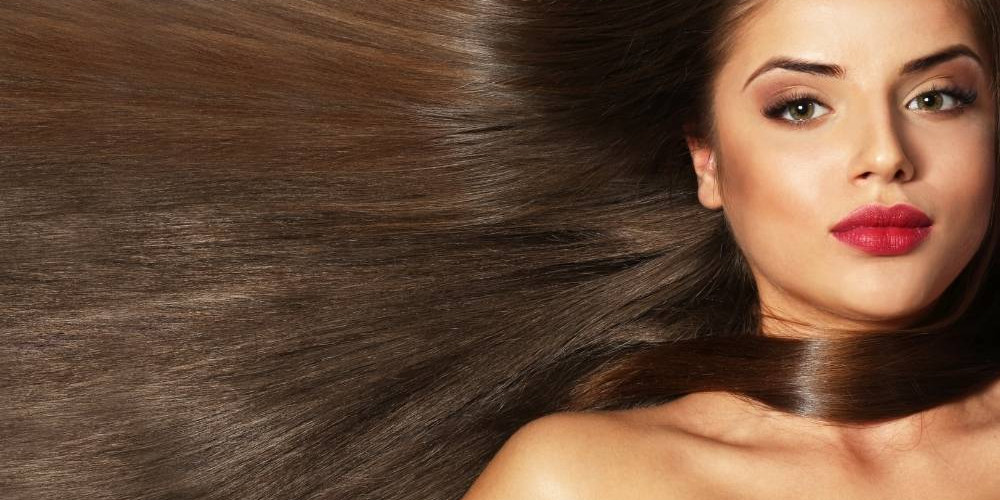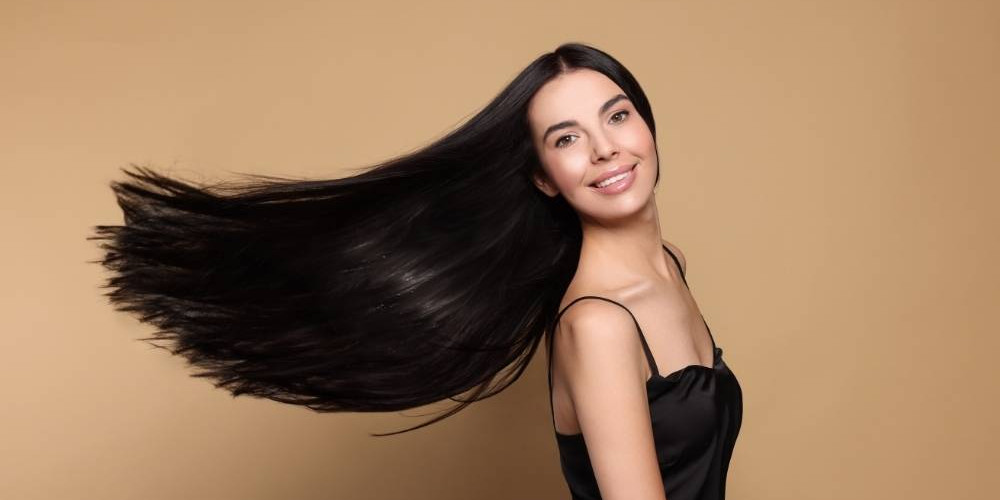

Healthy hair doesn’t happen by chance. It’s the result of consistent care, informed product choices, and an understanding of how hair responds to daily stress. While trends and treatments come and go, the fundamentals of good haircare remain constant.
By mastering basic haircare principles, you can improve hair strength, shine, and manageability—regardless of hair type or texture. This guide breaks down the essentials of maintaining healthier hair from the scalp to the ends.
The Foundation of Healthy Hair Starts With the Scalp
Hair health begins at the scalp. A well-balanced scalp environment supports optimal hair growth and reduces issues such as dryness, excess oil, and irritation.
Keep the Scalp Clean—but Not Stripped
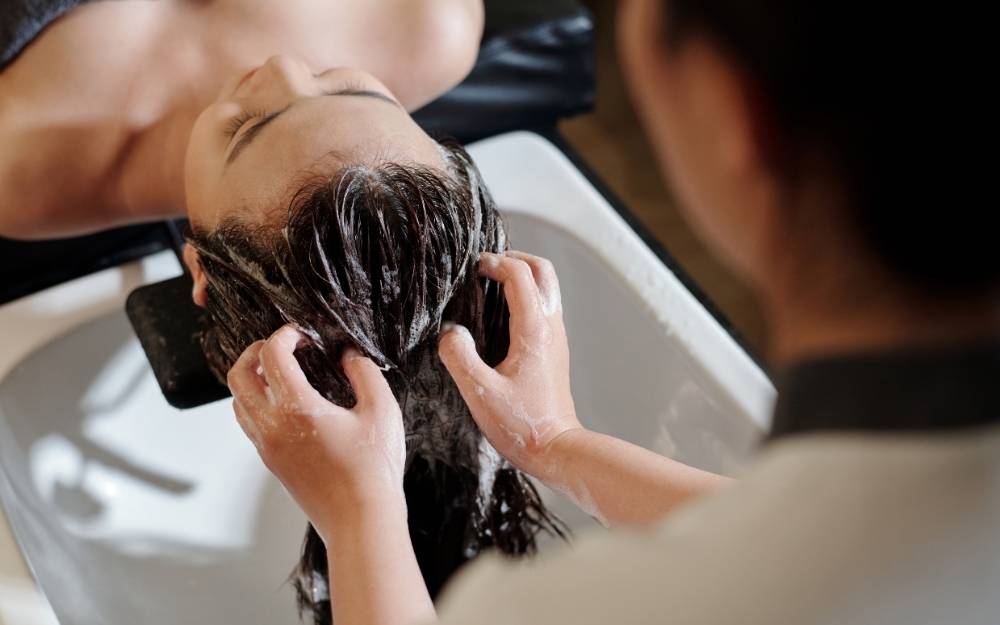
Cleansing removes dirt, excess oil, and product buildup, but overwashing or using harsh formulas can disrupt the scalp’s natural balance.
Best practices include:
- Washing as often as your scalp needs—not by habit
- Using gentle, sulfate-free cleansers when possible
- Focusing shampoo on the scalp, not the lengths
A clean, balanced scalp creates the ideal conditions for stronger, healthier hair growth.
Why Proper Conditioning Is Essential
Conditioning is not optional—it’s a core step in maintaining hair health. While shampoo cleanses, conditioner restores moisture, smooths the cuticle, and improves elasticity.
Condition With Purpose
Effective conditioning helps:
- Reduce breakage and split ends
- Improve softness and manageability
- Protect hair from daily environmental stress
Apply conditioner primarily to mid-lengths and ends, where hair is older and more vulnerable to damage.
Hydration and Moisture: Not the Same Thing
One of the most misunderstood haircare principles is the difference between hydration and moisture.
- Hydration refers to water content within the hair
- Moisture refers to oils and emollients that seal and soften
Healthy hair requires both. Dehydrated hair can feel rough and brittle, while hair lacking moisture may appear dull and frizzy.
Look for products containing:
- Humectants to attract hydration
- Lightweight oils to lock in moisture
- Proteins to support hair strength
Heat Styling and Mechanical Damage
Styling tools and daily handling can gradually weaken the hair fibre if not managed carefully.
Protect Hair From Heat and Friction
To reduce damage:
- Always use a heat protectant before styling
- Avoid excessive heat temperatures
- Minimise aggressive brushing, especially when hair is wet
- Use smooth, snag-free hair tools
Small adjustments in daily habits can significantly improve long-term hair condition.
The Importance of Regular Trims
Trimming hair does not speed up growth, but it prevents split ends from travelling up the hair shaft, which preserves length and improves overall appearance.
Benefits of regular trims include:
- Healthier-looking ends
- Improved shape and style longevity
- Reduced breakage over time
Consistency matters more than frequency—maintenance trims help hair look polished and well cared for.
Tailoring Haircare to Your Hair Type
No two heads of hair are the same. Factors such as texture, density, porosity, and lifestyle all influence how hair responds to products and routines.
Personalisation Is Key
Consider:
- Fine hair benefits from lightweight formulas
- Curly or textured hair often needs extra moisture
- Chemically treated hair requires added repair and protection
Understanding your hair’s specific needs allows you to build a routine that supports its natural structure and strength.
Consistency Over Complexity
Healthy hair doesn’t require an overloaded routine. In fact, consistent care with the right fundamentals often delivers better results than frequent product changes.
Focus on:
- Cleansing appropriately
- Conditioning consistently
- Protecting hair from damage
- Supporting scalp health
Simple, well-executed habits form the backbone of long-term hair health.
Healthier Hair Is a Long-Term Commitment
Hair reflects how it’s treated over time. By respecting basic haircare principles and listening to what your hair needs, you can achieve stronger, shinier, and more resilient hair.
Healthy hair is not about perfection—it’s about balance, patience, and informed care.